
Reflections
Preface
This is not doctrine. It is not a decree. It is a reverent wondering, an invitation to imagine. What if Jesus spoke to all of humanity today, not through thunder or temples, but in words simple enough to cross every border? Not to convert or condemn, but to guide? These words do not presume to speak for Him. They only ask: How might timeless truths sound in a voice the whole world could hear? The purpose is not to define Christ, but to reflect on the love he lived, and what it would mean to live that love now.
What if Jesus Christ walked among us today, not to judge or divide, but simply to speak?
Not to one nation, one church, or one religion, but to everyone. Believers and non-believers. The devout and the doubting. Those who walk with faith and those who carry wounds too deep for belief.
What if, instead of preaching from pulpits or posting on screens, he sat beside us in the ordinary spaces of life? On a bus. In a hospital waiting room. At a border. At a dinner table. And what if he offered something new, something for right now?
Not new in truth, but new in clarity. A kind of compass, stripped of jargon and stained-glass language. What if he gave us a list not of sins to avoid, but a way to live that could reach across race, culture, and creed?
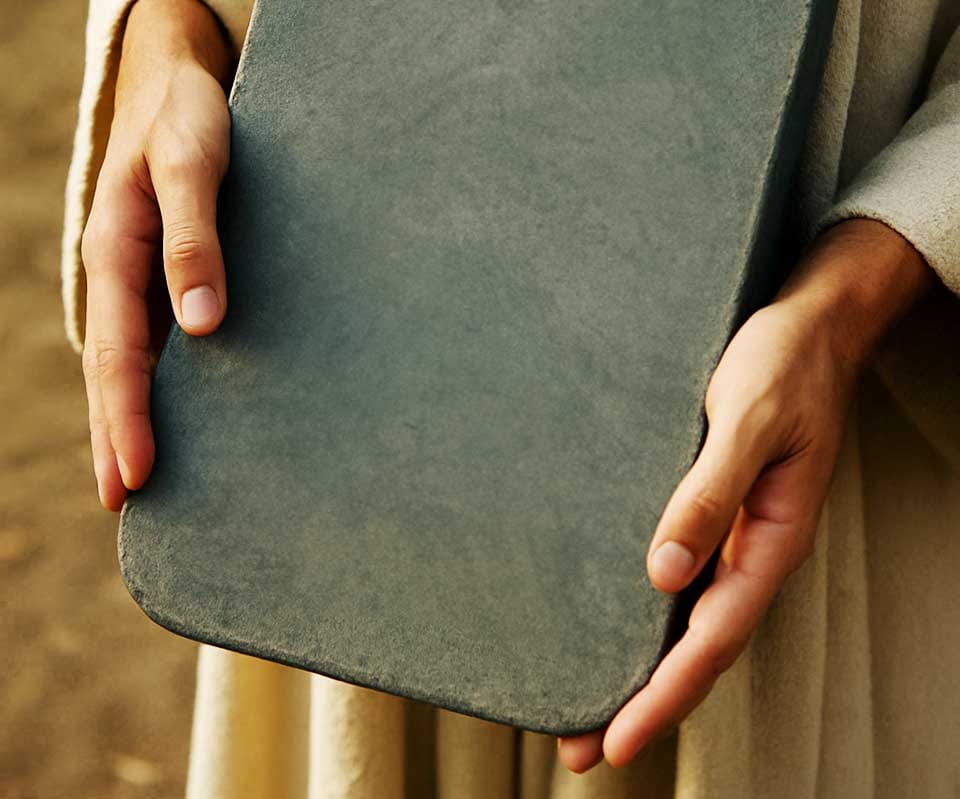
We often think of the Ten Commandments, chiseled into stone and handed to Moses. But maybe today, in a world where so much is temporary, the real miracle would be a message engraved into something more lasting than stone, like the human conscience.
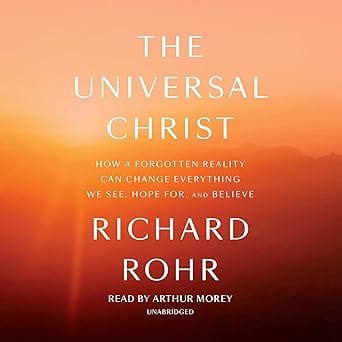
The Universal Christ: How a Forgotten Reality Can Change Everything We See, Hope For, and Believe
By Richard Rohr
In his decades as a globally recognized teacher, Richard Rohr has helped millions realize what is at stake in matters of faith and spirituality. Yet Rohr has never written on the most perennially talked about topic in Christianity: Jesus. Most know who Jesus was, but who was Christ? Is the word simply Jesus’s last name? Too often, Rohr writes, our understandings have been limited by culture, religious debate, and the human tendency to put ourselves at the center.
Let's say he gave us just seven.
Not because seven is holier than ten, but because less can sometimes speak more. These would not be commandments written in fear or enforced by punishment. They would be invitations. Reminders. And if we listened closely, we might recognize them not as foreign, but as familiar, as if we already knew them deep down.
1. Protect the dignity of every human being.
Every person has worth. Not because of what they've done. Not because of what they believe. But simply because they exist. Dignity is not earned. It is given. No life is beneath respect. No person is beneath compassion.
2. Feed the hungry, care for the sick, and shelter the vulnerable.
It is not enough to feel sorry. Love looks like action. When someone is in need, help. If you have something to give, give it. If you have nothing, offer presence. This is how we begin to heal the world.
3. Do not use power to harm or control.
Power is a sacred responsibility. Whether it is wealth, status, or influence, it is meant to serve, not dominate. Do not use strength to silence. Do not use privilege to escape the cries of the weak. To misuse power is to walk away from love.
4. Speak the truth, even when it costs you.
Truth is not always comfortable. It often requires courage. But without truth, trust dies. Without trust, peace withers. Speak with honesty. Speak with humility. And when you fall short, admit it.
5. Forgive, even when it feels impossible.
Forgiveness is not pretending the hurt never happened. It is refusing to let hate become your master. You may need time. You may need distance. But if you can begin to forgive, you will begin to be free.
6. Live simply so others may simply live.
The world has enough. What it lacks is sharing. Greed starves the soul. Simplicity is not a punishment. It is a way of creating room for others. When we take less, others can have more.
7. Love without condition.
Real love does not ask if someone deserves it. It does not wait for agreement. It does not depend on sameness. Love makes the first move. It reaches across divides. It listens before speaking. And when all else fails, it still chooses to show up.
Maybe these aren't commandments in the usual sense. Maybe they are reminders of what we already know but often forget. Maybe Jesus would not hand them down with thunder or fire, but whisper them in the quiet corners of our lives.
He would not demand obedience out of fear. He would invite change through love. He would not build a wall of rules. He would open a path of mercy.
If such words were spoken today, they would not begin with 'Thou shalt not…'
The world doesn't need more noise or judgment. It needs people who choose love, even when it's hard.
Maybe that's the only commandment that matters.
Choose love.
...I will put my law in their inward parts, and write it in their hearts; and will be their God, and they shall be my people.
—Jeremiah 31:33 (KJV)
Members Discussion